
Understanding Ancestral Nutrition
For millions of years, our ancestors thrived on a diet that sustained human evolution and development. The paleo and primal approaches to eating are grounded in the principle that our bodies are evolutionarily adapted to consume whole, unprocessed foods that were available during the Paleolithic era.
The foundation of ancestral nutrition lies in the recognition that human genetics have changed very little since the Paleolithic period, while our dietary landscape has undergone dramatic transformations. Our digestive systems, metabolic pathways, and nutritional needs remain essentially those of our hunter-gatherer ancestors.
The nutritional science behind this approach reveals that traditional whole foods provide optimal ratios of macronutrients, abundant micronutrients, and crucial bioactive compounds that modern processed foods lack. These include omega-3 fatty acids from grass-fed meats and wild-caught fish, antioxidants from colorful fruits and vegetables, and fiber from nutrient-dense plant sources.
Research consistently demonstrates that populations consuming ancestral-type diets show lower rates of chronic diseases including diabetes, heart disease, and autoimmune conditions. The philosophy isn't about strict rules, but about returning to the fundamental principles of eating that sustained healthy human populations for millennia.
Understanding this evolutionary perspective helps us make informed choices about modern foods, recognizing that convenience often comes at the cost of nutritional value and long-term health.
Food Guidelines
Clear, comprehensive guidelines to help you navigate your paleo-primal journey with confidence
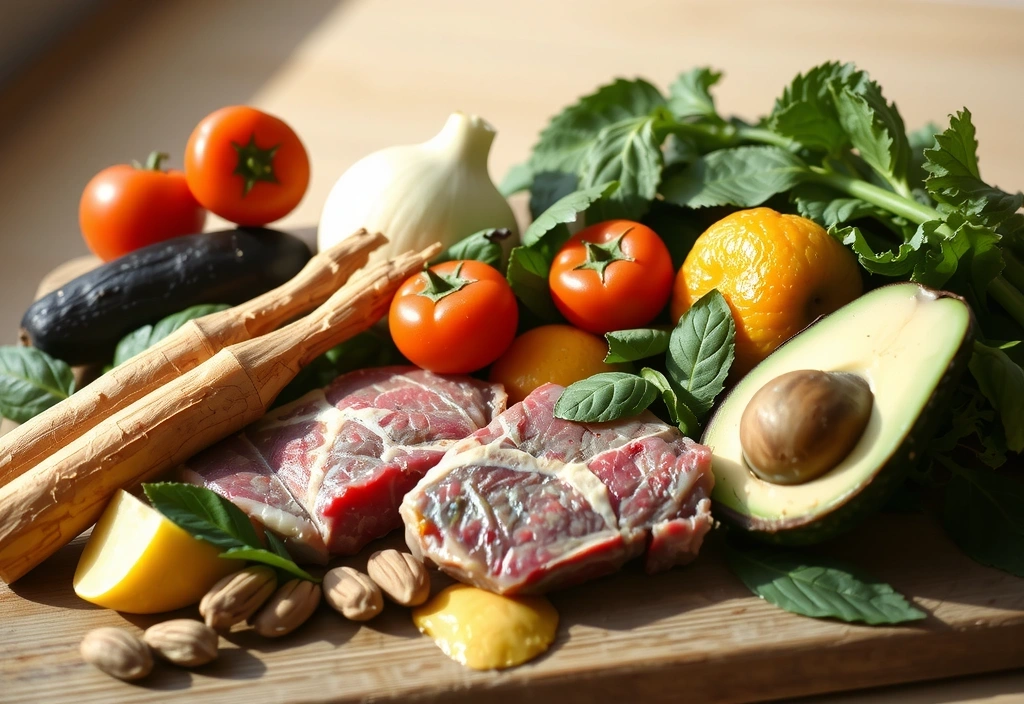
Foods to Include
- • Grass-fed and wild-caught meats
- • Organ meats and bone marrow
- • Fresh vegetables of all types
- • Seasonal fruits and berries
- • Nuts and seeds
- • Eggs from pasture-raised chickens
Foods to Avoid
- • All grains (wheat, rice, corn, oats)
- • Legumes (beans, lentils, peanuts)
- • Dairy products (milk, cheese, yogurt)
- • Refined sugar and artificial sweeteners
- • Industrial vegetable oils
- • Processed and refined foods
Indonesian Substitutions
- • Coconut flour instead of wheat flour
- • Coconut oil for cooking
- • Fresh herbs (turmeric, ginger, lemongrass)
- • Tropical fruits (mango, papaya, durian)
- • Local fish (tuna, salmon, mackerel)
- • Indonesian spices and seasonings
| Food Category | Paleo-Compliant Options | Indonesian Examples | Notes |
|---|---|---|---|
| Proteins | Grass-fed beef, wild game, poultry, fish, eggs | Sapi Bali, kampung chicken, tuna tongkol, telur bebek | Choose wild-caught or grass-fed when possible |
| Vegetables | Leafy greens, cruciferous, root vegetables, herbs | Kangkung, bayam, wortel, labu siam, cabe | Emphasize variety and seasonal availability |
| Fruits | Berries, citrus, stone fruits, tropical fruits | Mangga, papaya, markisa, naga fruit, delima | Moderation is key due to natural sugar content |
| Fats | Avocados, nuts, seeds, coconut, olive oil | Kelapa, alpukat, kacang tanah, kacang almond | Coconut products are particularly abundant in Indonesia |
Scientifically Proven Health Benefits
Decades of research confirm the remarkable health improvements possible with ancestral eating patterns
Weight Loss
Average reduction in body fat within 12 weeks
Inflammation
Decrease in inflammatory markers
Blood Sugar
Improvement in glucose control
Energy Levels
Report increased sustained energy
Metabolic Improvements
Clinical studies consistently demonstrate significant improvements in metabolic markers within weeks of adopting paleo-primal dietary patterns. Participants show dramatic reductions in blood glucose levels, improved insulin sensitivity, and normalized cholesterol profiles.
"The paleo diet led to greater improvements in glucose control and lipid profiles compared to the traditional low-fat diet in type 2 diabetes patients."
These improvements are attributed to the elimination of processed foods, refined carbohydrates, and industrial seed oils, combined with increased consumption of nutrient-dense whole foods.


Inflammation Reduction
Chronic inflammation is at the root of most modern diseases, from arthritis to heart disease to autoimmune conditions. Ancestral eating patterns demonstrate remarkable anti-inflammatory effects through several mechanisms.
"Elimination of processed foods and increased omega-3 fatty acids from grass-fed sources significantly reduced inflammatory markers in our study participants."
The absence of industrial vegetable oils, refined sugars, and processed grains reduces the inflammatory burden on the body, while increased consumption of anti-inflammatory compounds from nutrient-dense foods actively promotes healing.
Mental Wellness
The gut-brain connection has gained significant attention in recent research, and paleo-primal diets show impressive results for cognitive function, mood stability, and mental clarity. Stabilized blood sugar levels reduce mood swings and energy crashes.
"Participants reported improved mood, reduced anxiety, and enhanced cognitive performance after 30 days on the paleo diet."
Omega-3 fatty acids, B vitamins, and minerals from whole foods support optimal neurotransmitter function, while elimination of artificial additives and refined foods reduces brain inflammation and oxidative stress.

Adapting to Indonesian Food Culture
Discover how to embrace ancestral nutrition while honoring Indonesia's rich culinary traditions
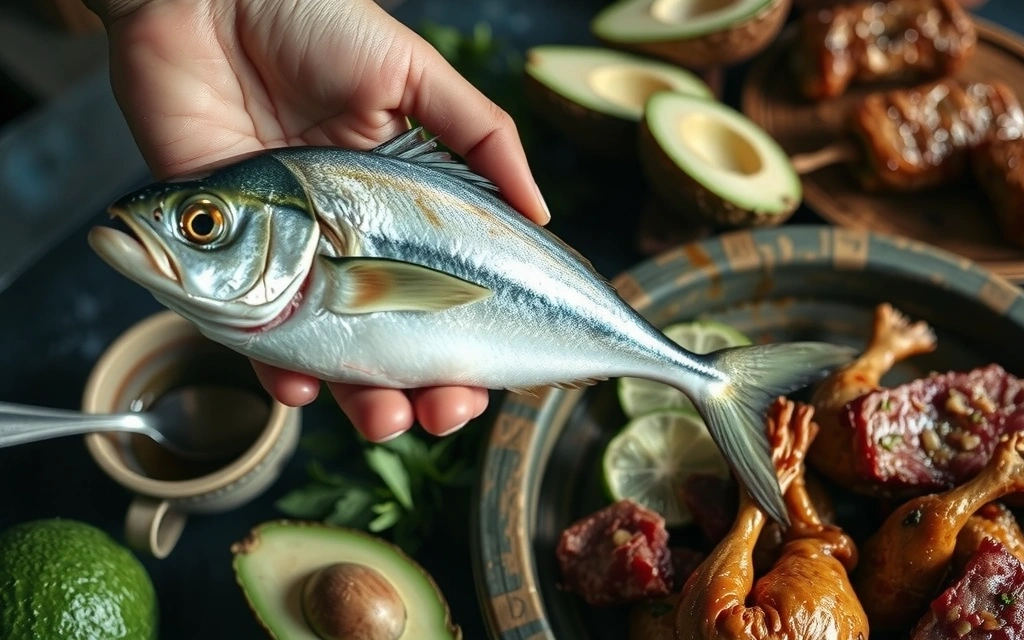
Local Protein Sources
Indonesia offers exceptional protein options that align perfectly with paleo-primal principles. From wild-caught marine life around the archipelago to grass-fed livestock from Bali and Sumatra.
- ✓ Tuna, salmon, and sardines
- ✓ Grass-fed Bali cattle
- ✓ Free-range kampung chickens
- ✓ Wild boar from Sumatra
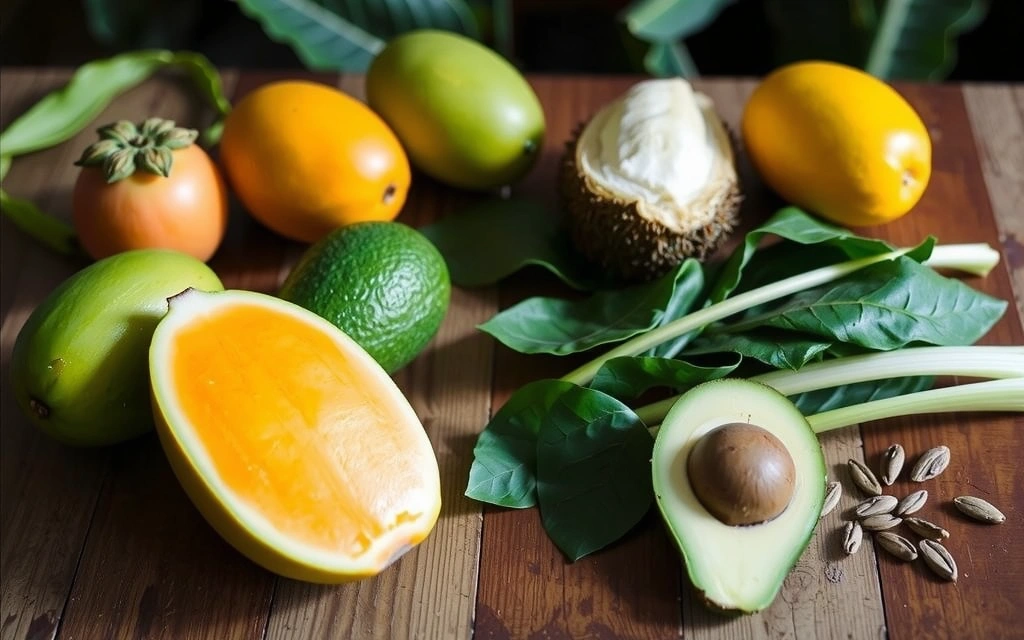
Tropical Fruits & Vegetables
Indonesia's tropical climate provides an abundance of nutrient-dense fruits and vegetables that thrive in paleo-primal diets. Many traditional Indonesian vegetables are completely paleo-compliant.
- ✓ Mangosteen and dragon fruit
- ✓ Kangkung and bayam greens
- ✓ Turmeric and ginger roots
- ✓ Indonesian herbs and spices
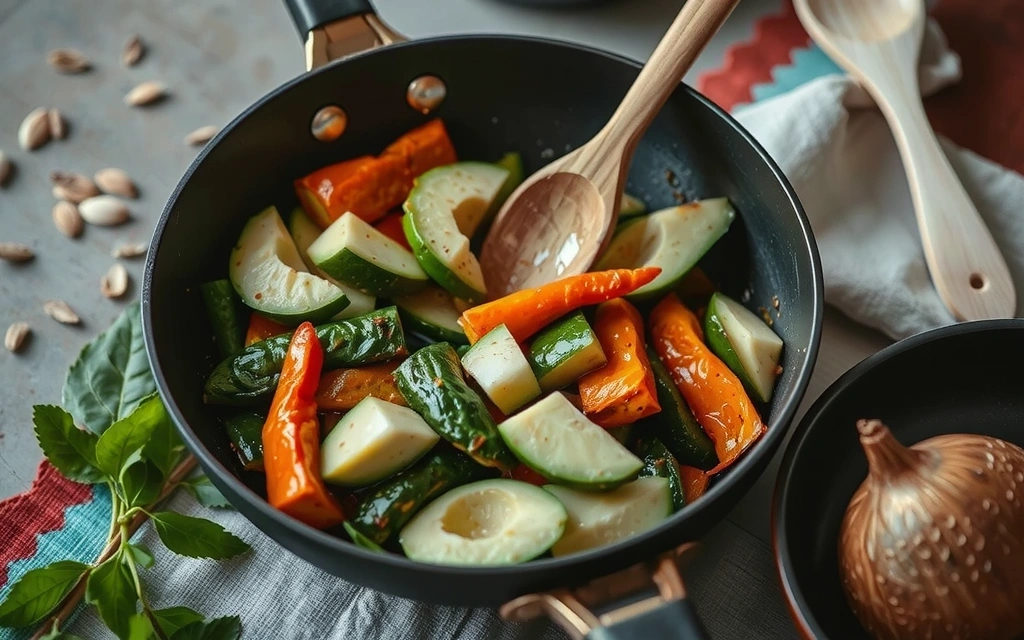
Traditional Cooking Methods
Indonesian cuisine historically relied on cooking methods that preserve nutrients and enhance flavor without processed ingredients. Many traditional techniques support paleo-primal principles.
- ✓ Coconut oil for cooking
- ✓ Natural herb steaming
- ✓ Traditional spice marinades
- ✓ Bone broth preparation
Market Shopping Tips
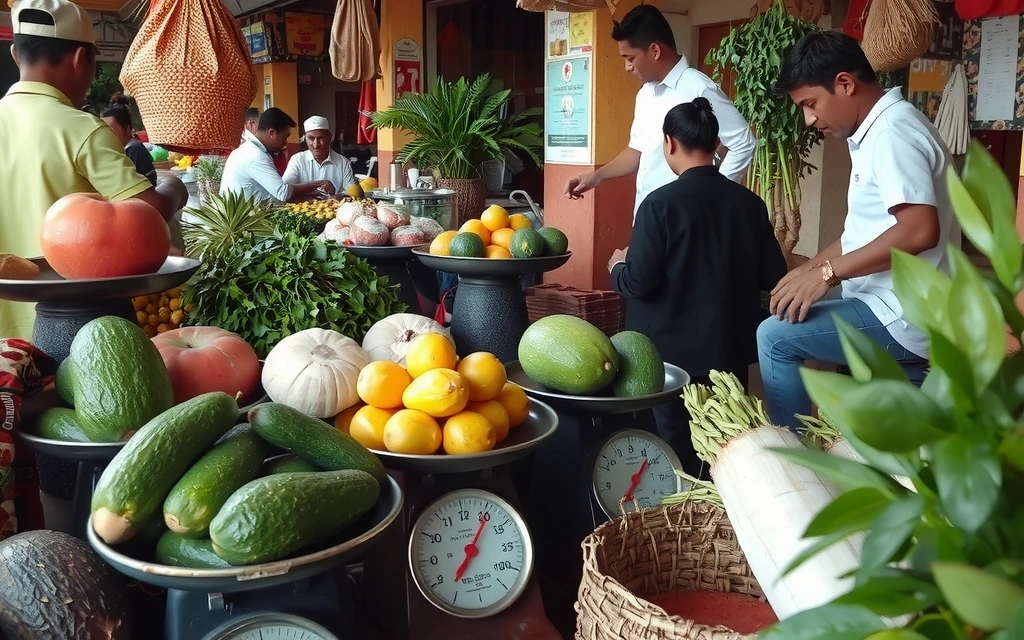
Navigating Indonesian markets can be overwhelming but rewarding. Focus on building relationships with vendors who prioritize quality and freshness.
- ✓ Visit traditional pasar for best quality
- ✓ Buy seasonal produce
- ✓ Ask about farming practices
- ✓ Focus on local, grass-fed options
Adaptable Indonesian Dishes
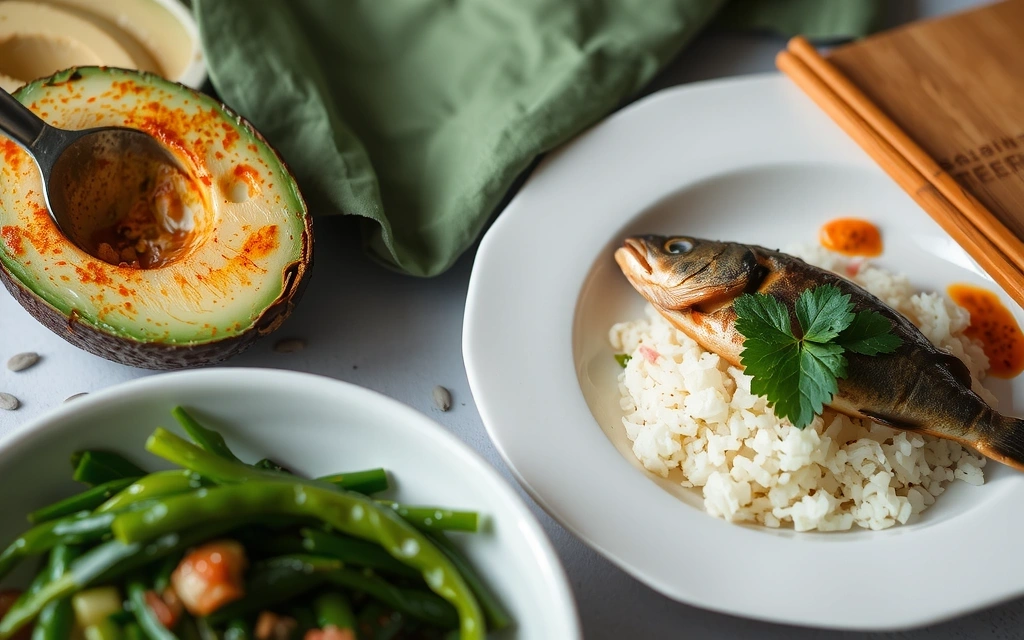
Many beloved Indonesian dishes can be easily adapted to paleo-primal principles by substituting certain ingredients while preserving authentic flavors and cooking methods.
- ✓ Gulai without coconut milk
- ✓ Soto with bone broth base
- ✓ Rendang with grass-fed beef
- ✓ Sayur lodeh with coconut oil

Cultural Integration
Successfully adopting paleo-primal principles doesn't mean abandoning Indonesian culinary heritage. It's about making informed choices that honor both health and culture.
- ✓ Share modified recipes with family
- ✓ Focus on whole food ingredients
- ✓ Embrace seasonal eating patterns
- ✓ Maintain social cooking traditions
Ready to Start Your Ancestral Nutrition Journey?
Discover personalized guidance and support for implementing paleo-primal principles in your Indonesian lifestyle
Get Personalized Guidance