
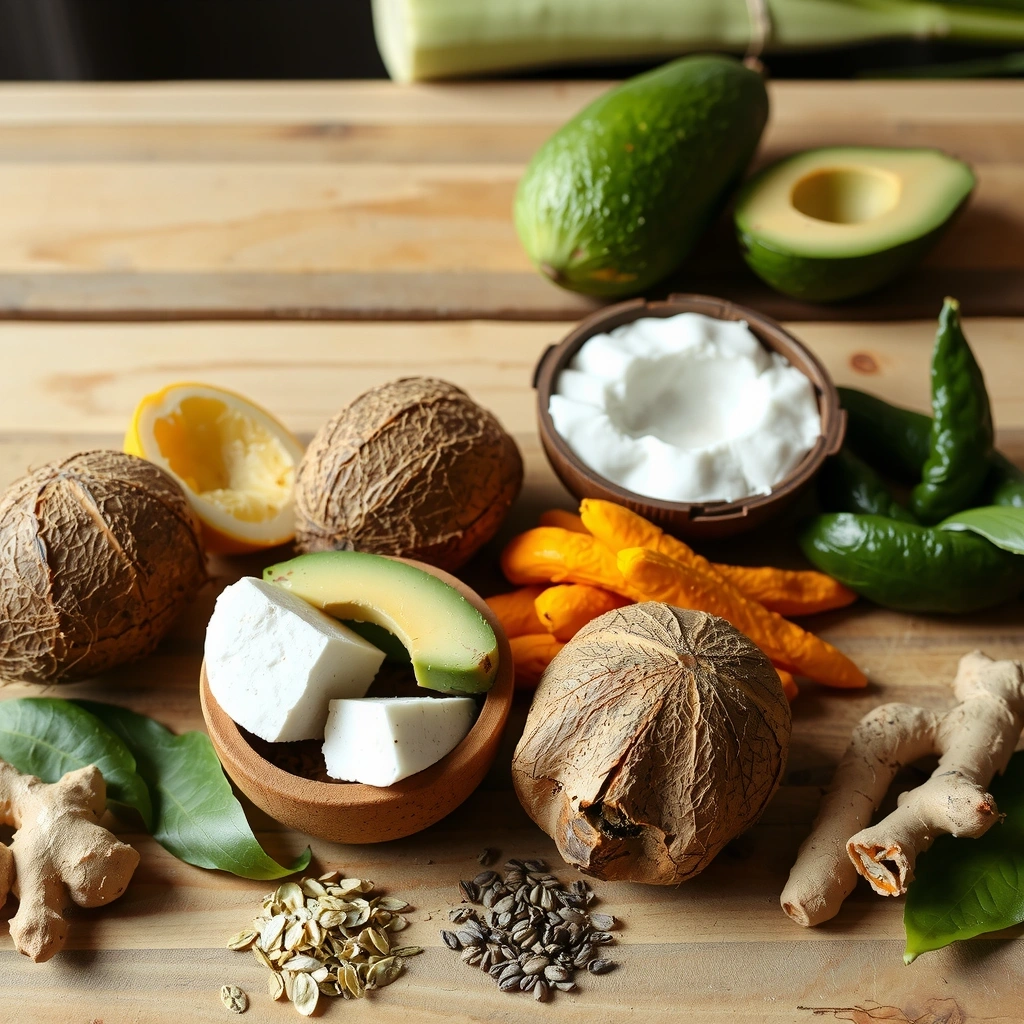
Indonesian Paleo
Resources & Recipes
Discover authentic Indonesian flavors adapted for the paleo lifestyle - practical guides, seasonal ingredients, and traditional recipes made ancestral-friendly.
Traditional Indonesian Recipes, Paleo-Style
Experience the rich culinary heritage of Indonesia through our carefully adapted paleo recipes. Every dish honors traditional flavors while embracing ancestral eating principles.
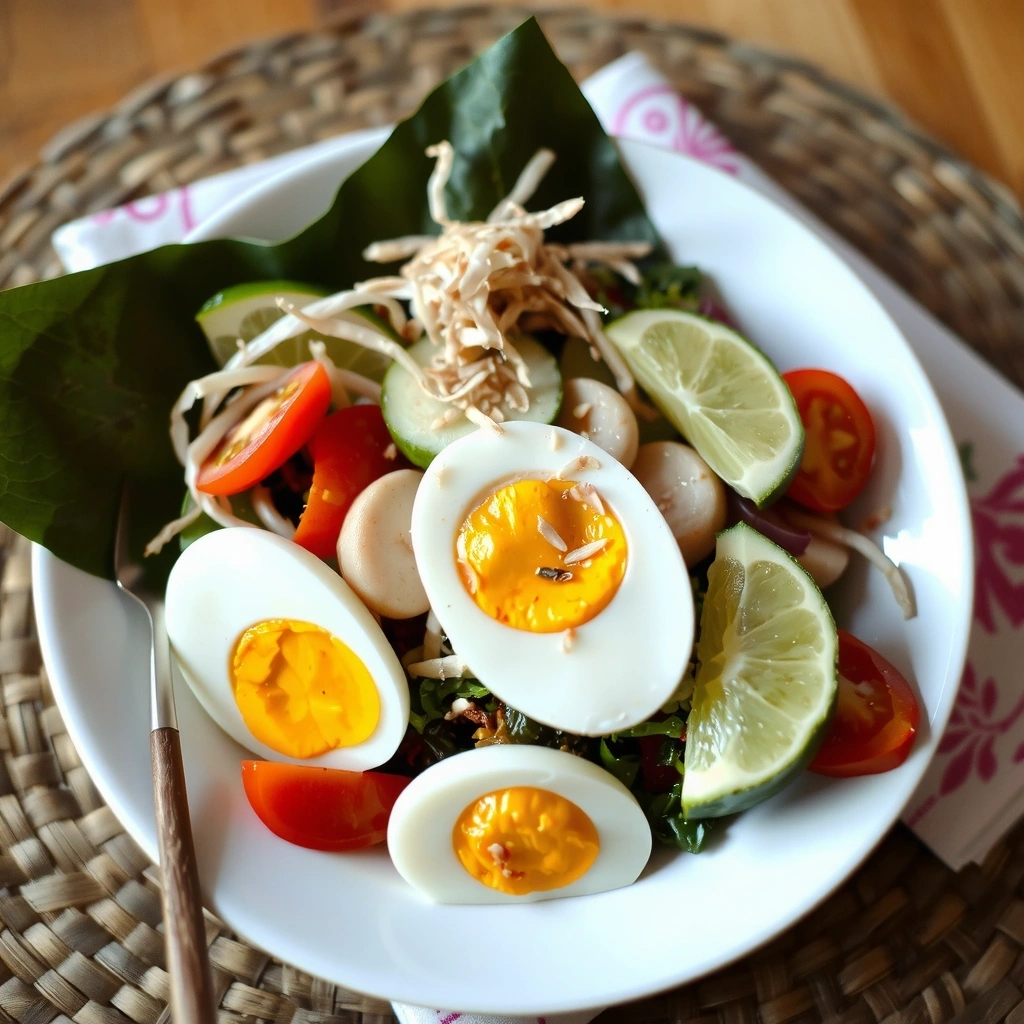
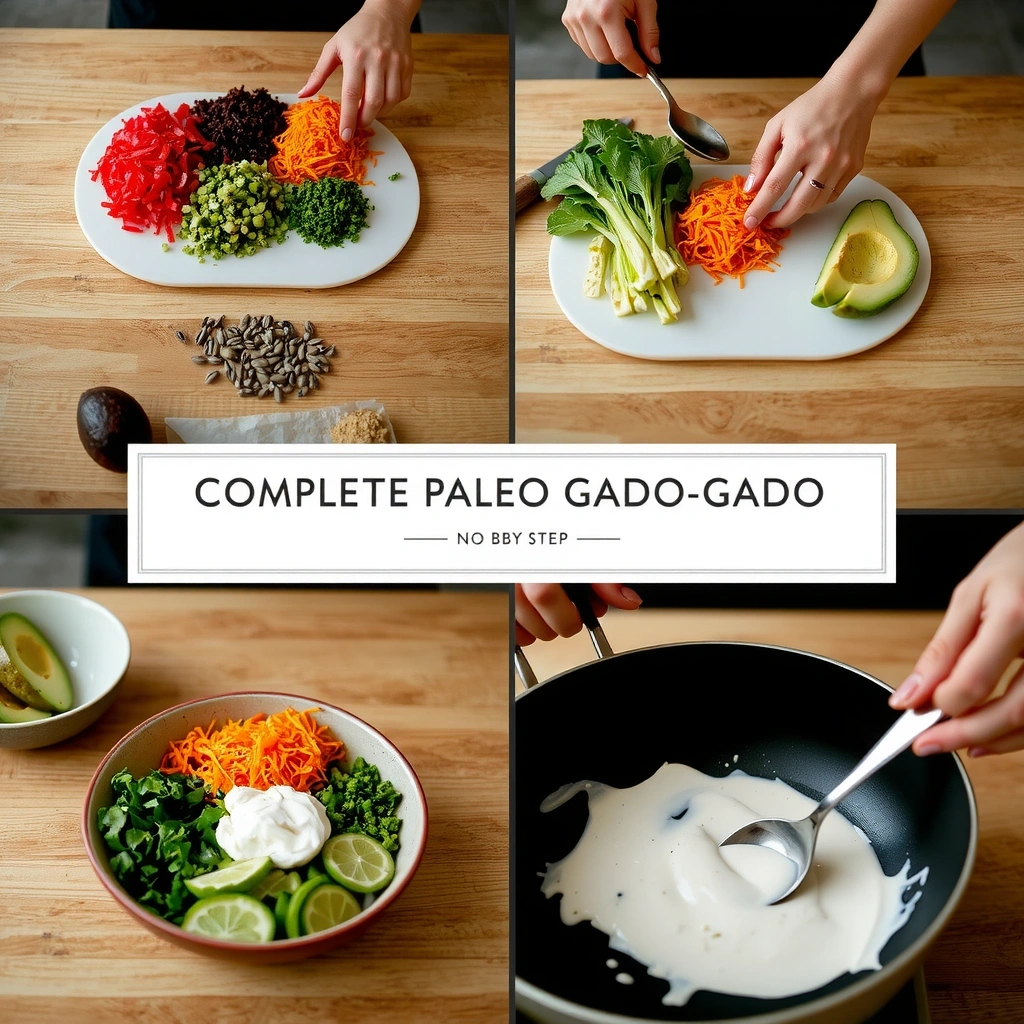
Paleo Gado-Gado
A beloved Indonesian salad featuring fresh vegetables, hard-boiled eggs, and our signature paleo-friendly coconut-based sauce. Traditional sweet soy sauce is replaced with natural palm sugar and coconut aminos.
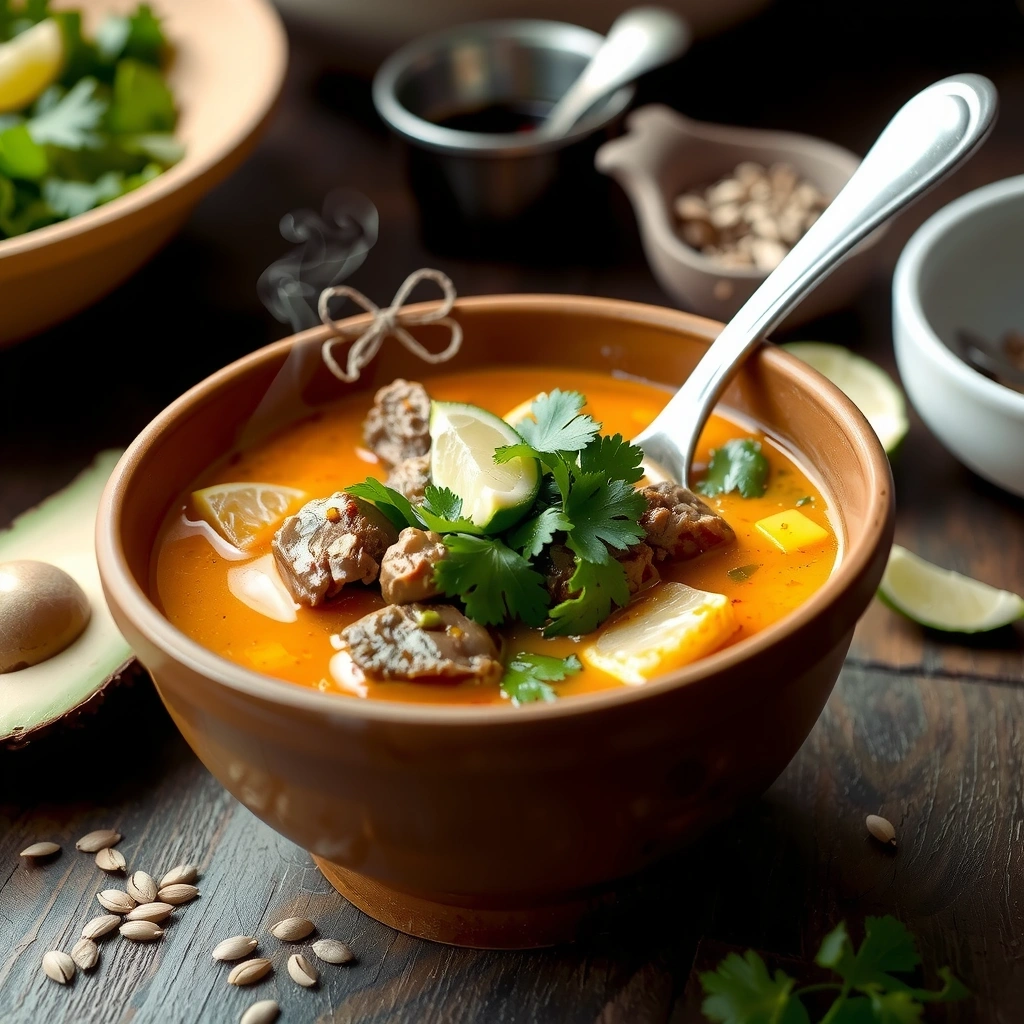
Paleo Rendang Daging
This iconic West Sumatran dish gets a paleo makeover with grass-fed beef, full-fat coconut milk, and an array of authentic spices. Slow-cooked to perfection with no added sugars or preservatives.
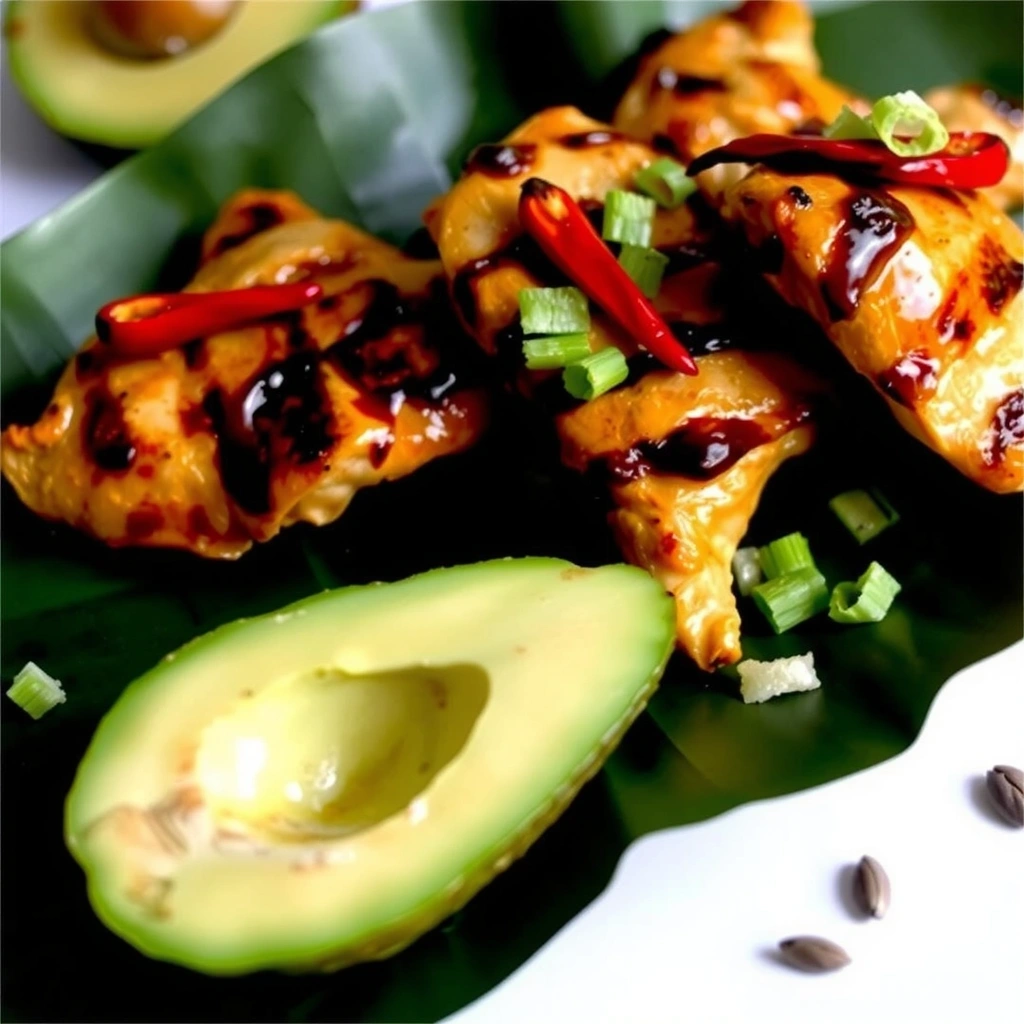
Paleo Ayam Bumbu Kecap
Traditional Indonesian grilled chicken reimagined with our paleo sauce blend. The complex spice paste creates incredible depth of flavor while staying true to ancestral eating principles.
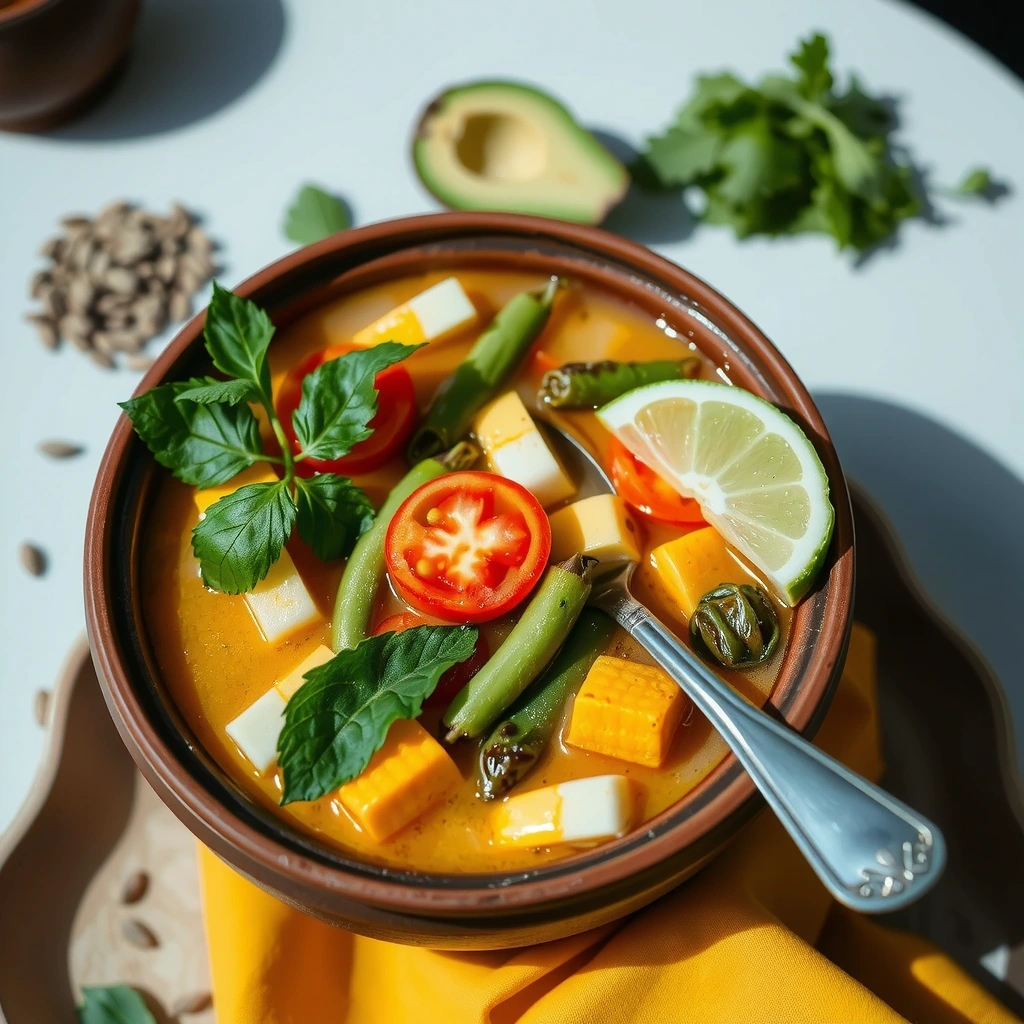
Paleo Sayur Asem
A refreshing Indonesian vegetable soup with tamarind base, packed with nutritious local vegetables. Perfect for hot days and naturally paleo-friendly with no added sugars.
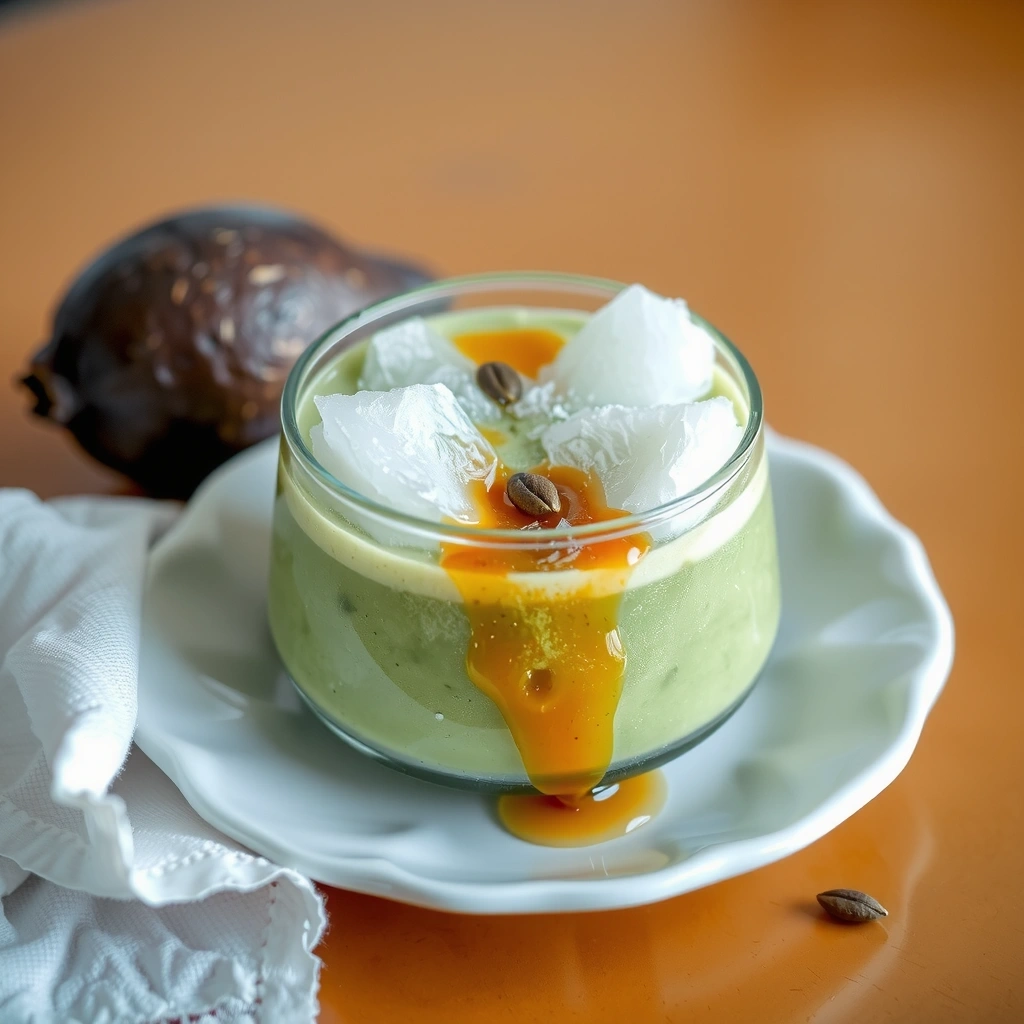
Paleo Es Cendol
Our take on this beloved Indonesian dessert uses coconut palm sugar and organic coconut milk. The pandan-flavored jelly is made with arrowroot for a perfect paleo alternative.
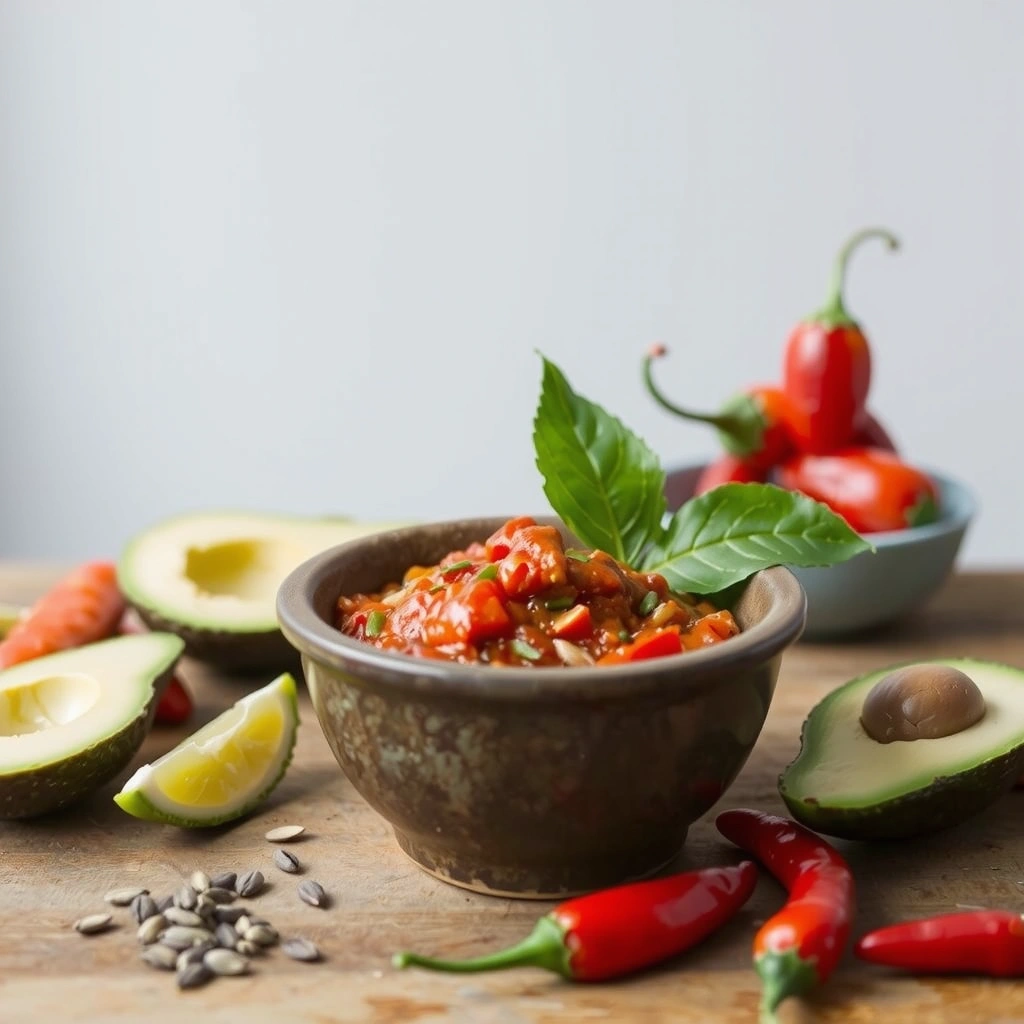
Paleo Sambal Matah
A fiery Bali-style sambal made with fresh chilies, shallots, and aromatic herbs. No added preservatives or artificial ingredients - just pure, natural heat and flavor.
Indonesian Paleo Ingredient Guide
Navigate traditional Indonesian markets with confidence. Learn to identify ancestral-friendly ingredients and discover where to source the freshest, highest-quality products.
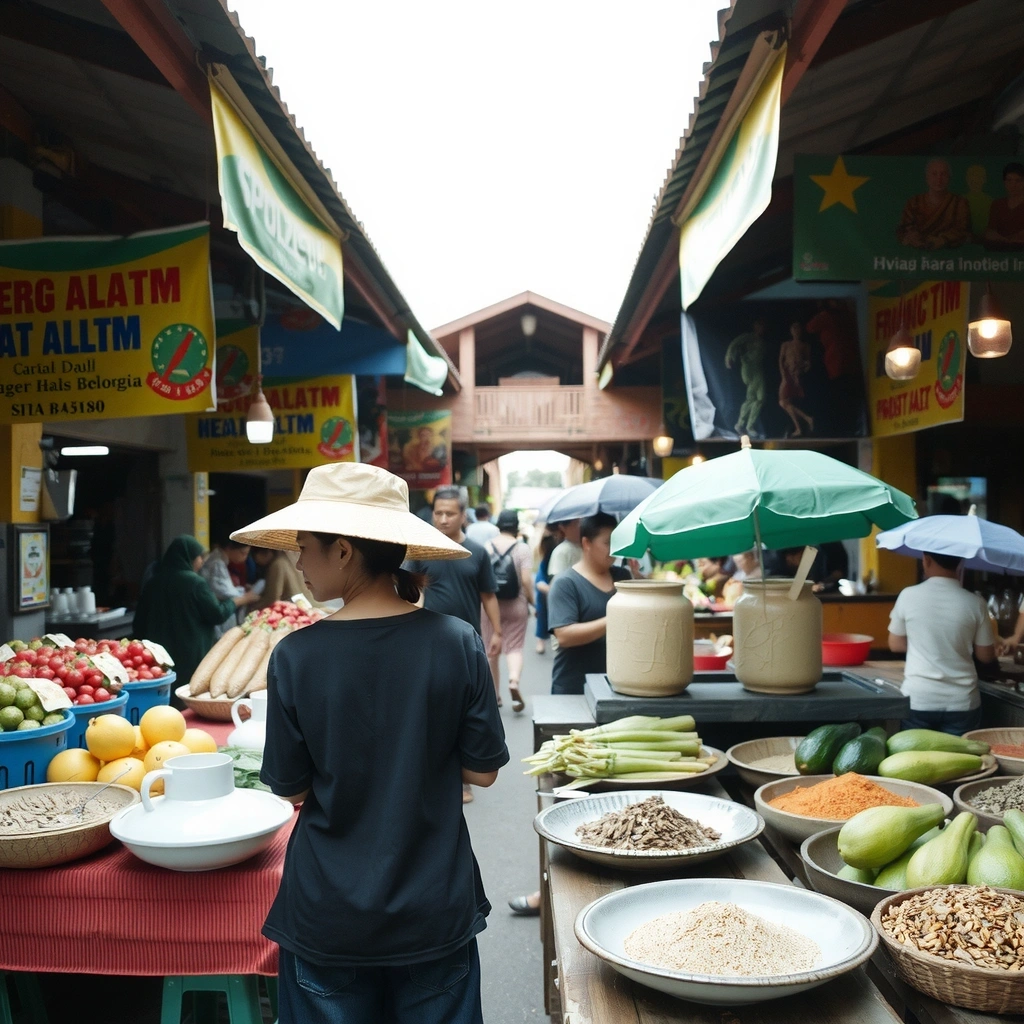
Traditional Markets (Pasar)
Discover the heart of Indonesian food culture in traditional markets. Early morning visits (5-8 AM) offer the freshest selections of locally-grown vegetables, herbs, and grass-fed meats.
- • Best times: Early morning for freshness
- • Negotiate prices respectfully
- • Look for organic certification
- • Ask about farming practices
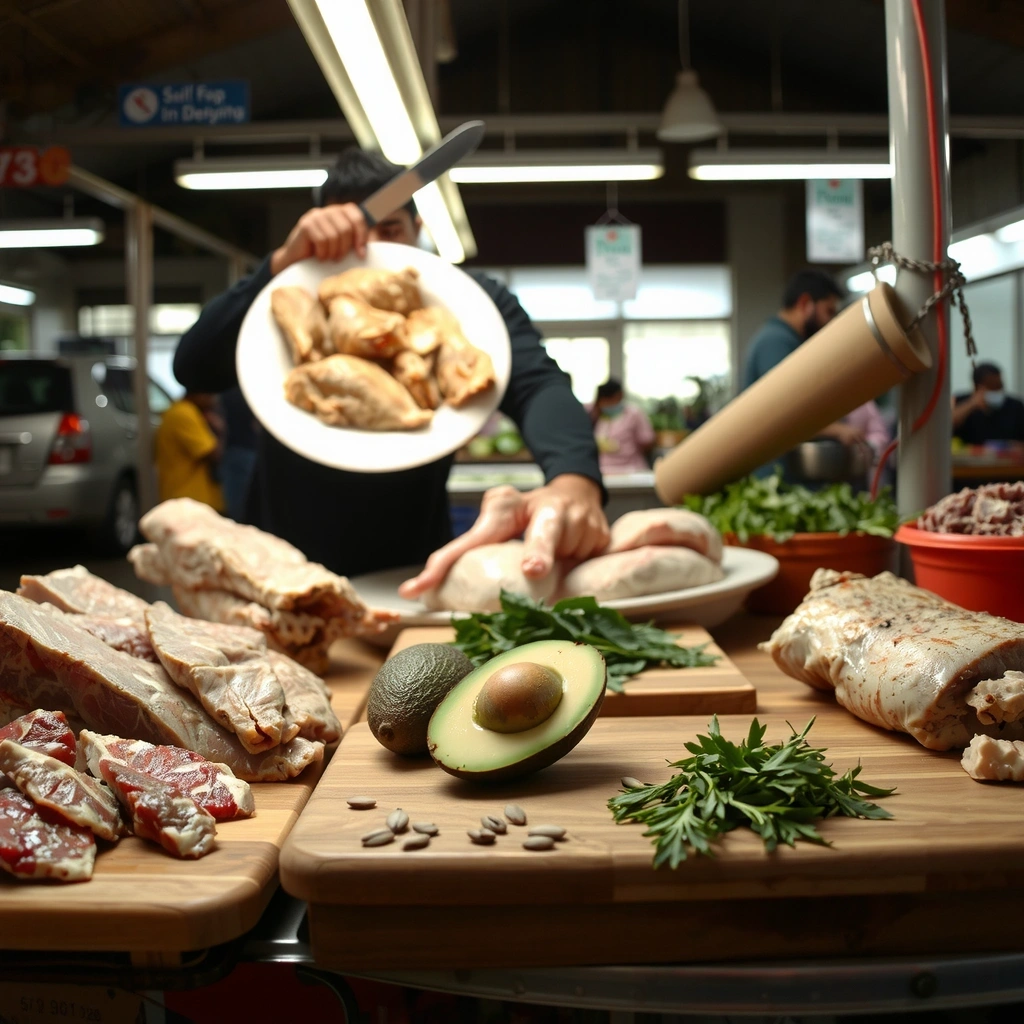
Indonesian Meat Cuts
Understand traditional Indonesian meat cuts and preparation methods. Look for grass-fed options and ask butchers about their sourcing practices and processing methods.
- • Sapi grass-fed beef preferred
- • Ayam kampung (free-range chicken)
- • Kambing (goat) - lean and flavorful
- • Fresh daily, avoid frozen when possible
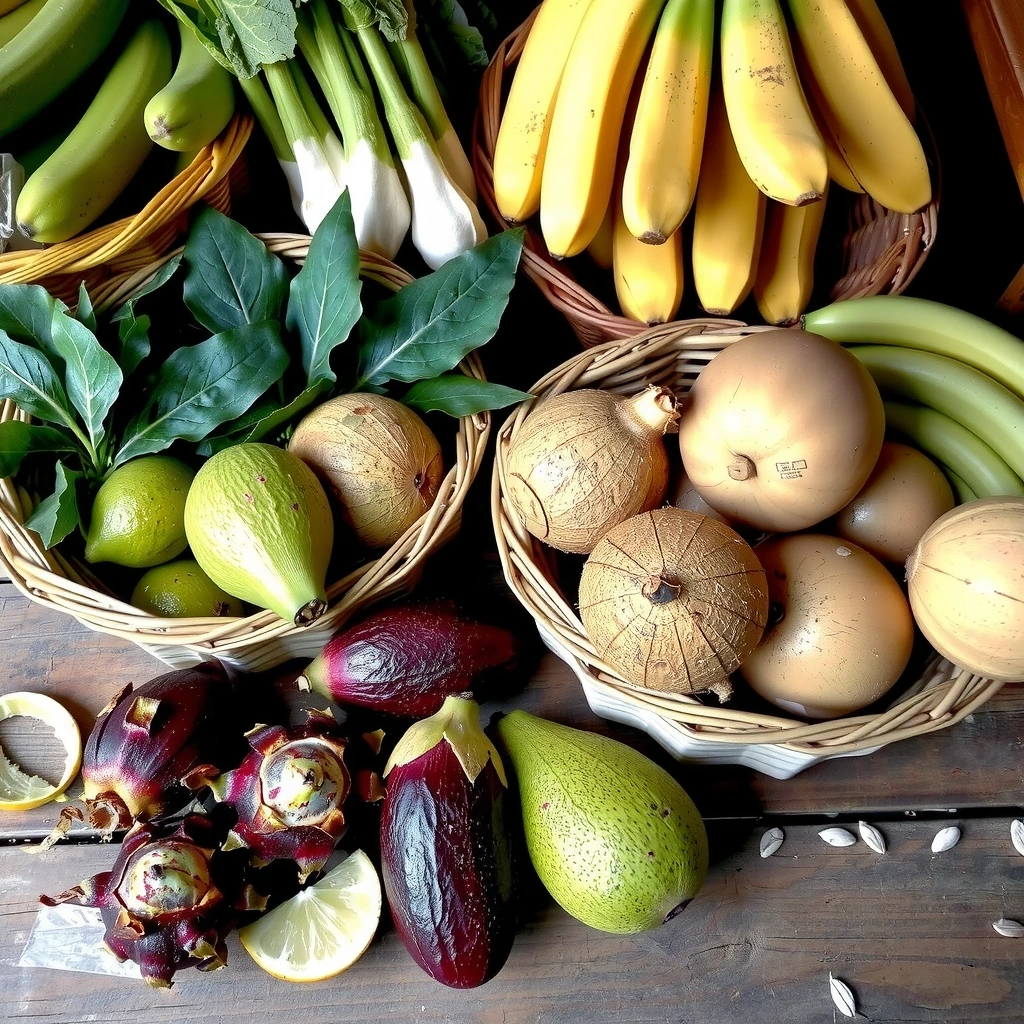
Tropical Produce
Embrace Indonesia's incredible variety of tropical vegetables and fruits. Many indigenous varieties offer exceptional nutritional profiles perfect for paleo living.
- • Kangkong (water spinach) - iron-rich
- • Cassava leaves - high in protein
- • Dragon fruit - antioxidant powerhouse
- • Young coconuts - natural electrolytes
Specialty Paleo Ingredients in Indonesia
Coconut Products
Full-fat coconut milk, coconut oil, coconut flour, and fresh young coconuts. Look for products without additives or preservatives.
Natural Sweeteners
Coconut palm sugar, date sugar, and stevia leaves. Avoid refined white sugar and artificial sweeteners common in local products.
Fresh Spices
Turmeric, galangal, lemongrass, kaffir lime leaves, and fresh chilies. Visit spice sections in traditional markets for the freshest options.
Fresh Seafood
Daily-caught fish, prawns, and squid from local fishermen. Look for bright eyes and firm flesh as freshness indicators.
Indonesian Paleo Meal Planning
Master the art of meal planning with Indonesian flavors. Our comprehensive guides help you prepare nourishing meals that align with your paleo lifestyle and cultural preferences.
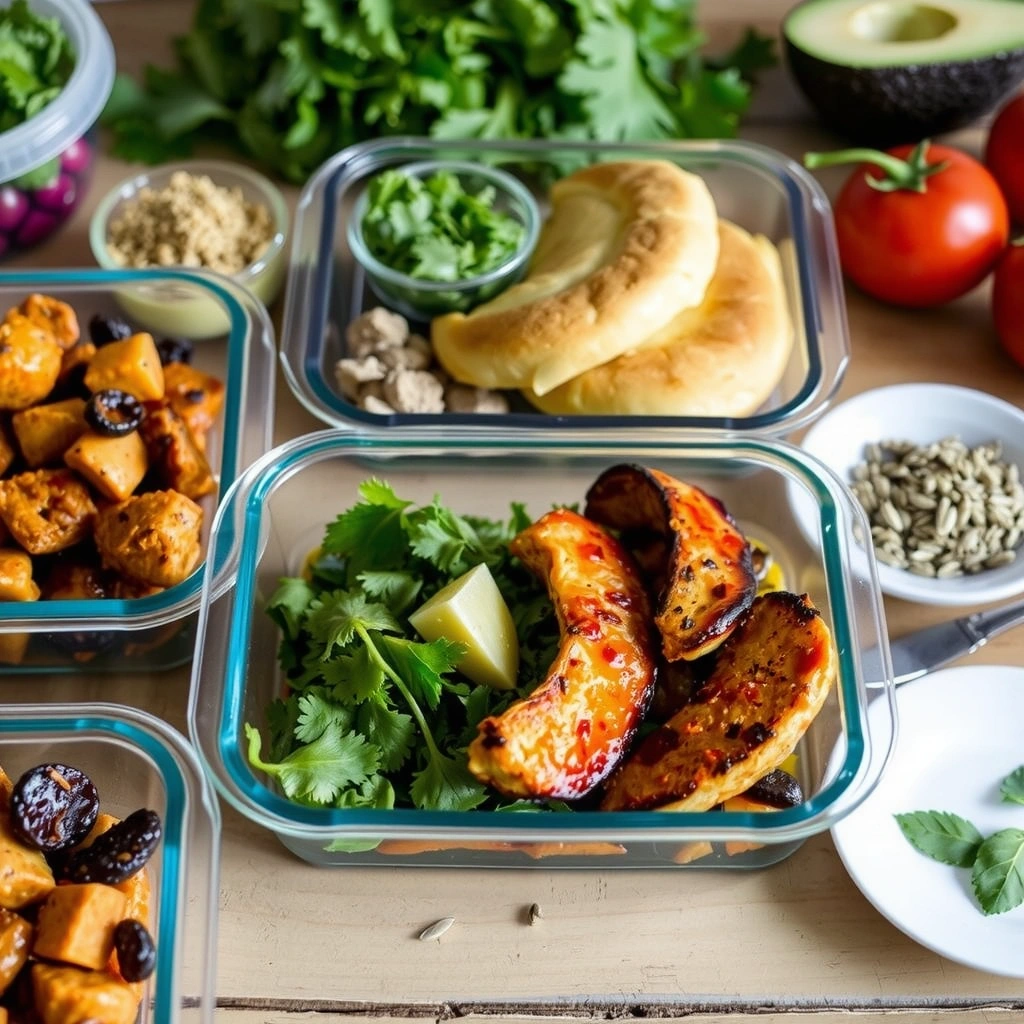
Weekly Meal Templates
Streamline your week with our carefully crafted meal templates that incorporate Indonesian paleo dishes. Each template balances proteins, healthy fats, and nutrient-dense vegetables.
Monday - Rendang & Vegetables
Slow-cooked beef rendang with steamed kangkong and cucumber salad
Tuesday - Gado-Gado Bowl
Fresh vegetable salad with paleo coconut sauce and boiled eggs
Wednesday - Ayam Bumbu Kecap
Grilled chicken with coconut rice substitute and sambal
Thursday - Sayur Asem Soup
Refreshing tamarind vegetable soup with fresh herbs
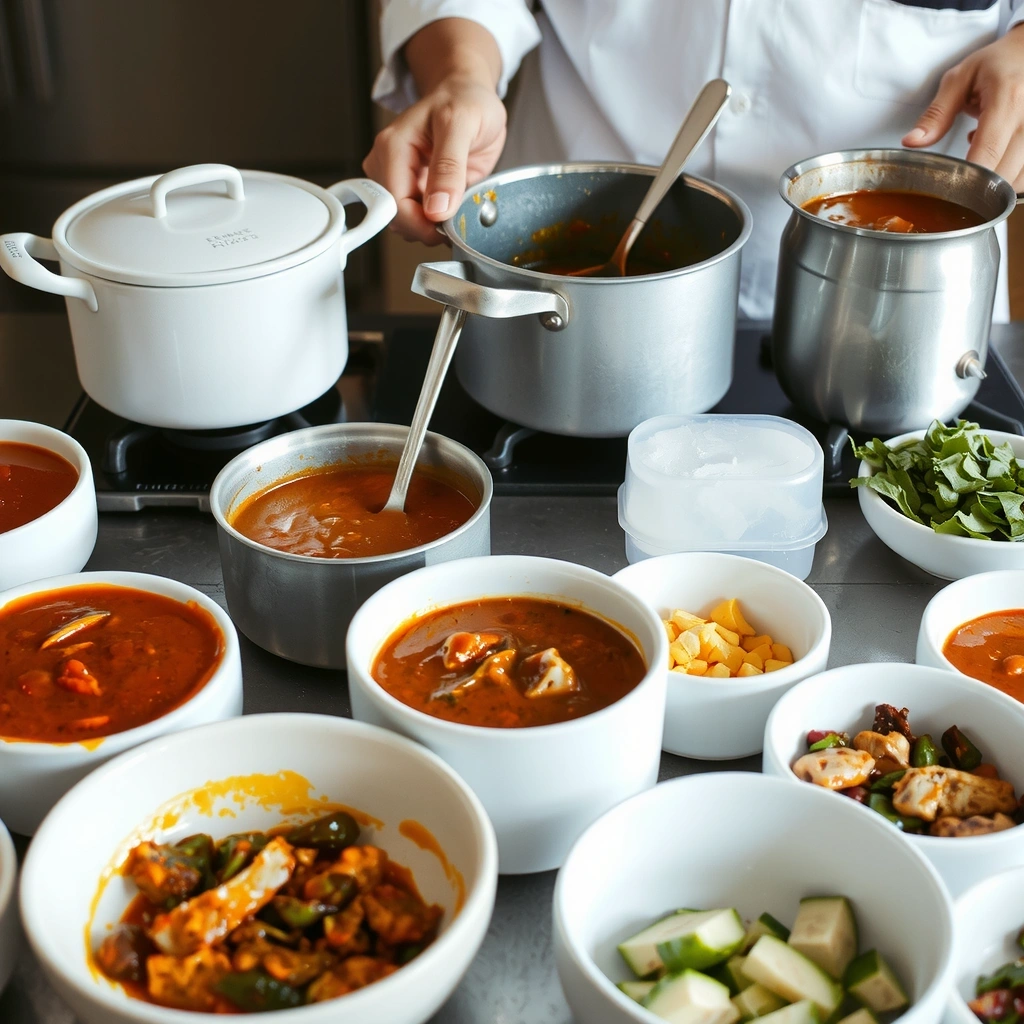
Batch Cooking Strategies
Maximize efficiency with our proven batch cooking methods. Prepare Indonesian paleo staples in large quantities and freeze portions for quick weekday meals.
Spice Paste Prep
Make large batches of basic Indonesian spice pastes (bumbu) and freeze in ice cube trays for easy portioning.
Protein Preparation
Slow-cook large cuts of grass-fed beef for rendang, then portion and freeze. Reheats beautifully with enhanced flavor.
Vegetable Prep
Blanch and freeze Indonesian greens like kangkong and cassava leaves. Perfect for quick stir-fries and soups.
Travel-Friendly Paleo Options
Portable Snacks
- • Dried coconut flakes
- • Hard-boiled eggs
- • Roasted nuts (paleo-friendly)
- • Fresh fruits (bananas, papayas)
Hotel Room Meals
- • Coconut milk instant soups
- • Pre-cooked proteins
- • Fresh salads from local markets
- • Simple stir-fry setups
Restaurant Navigation
- • Request grilled instead of fried
- • Ask for coconut milk options
- • Specify no sugar in dishes
- • Focus on fresh vegetables
Budget-Conscious Meal Planning
| Meal Type | Prep Time | Cost per Serving | Servings |
|---|---|---|---|
| Sayur Asem (Vegetable Soup) | 20 mins | $1.50 | 4 servings |
| Gado-Gado (Vegetable Salad) | 25 mins | $2.00 | 3 servings |
| Sambal with Steamed Vegetables | 15 mins | $1.25 | 2 servings |
| Braised Chicken (Ayam) | 45 mins | $3.50 | 4 servings |
Master Indonesian Market Shopping
Navigate traditional markets like a local with our comprehensive shopping guide. Learn negotiation techniques, seasonal timing, and quality identification methods.
Pasar Negotiation Tips
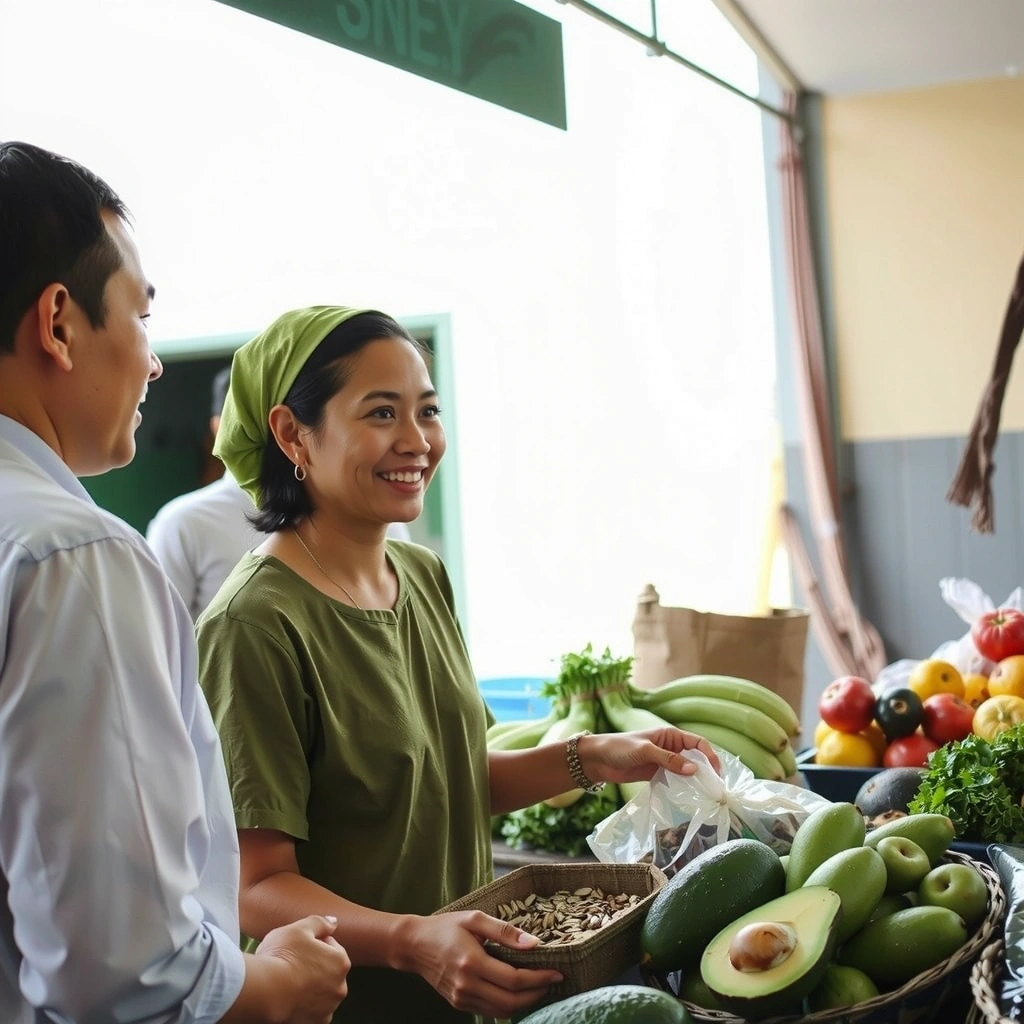
Master the art of respectful negotiation in Indonesian markets. Start with 50-70% of the initial asking price and work toward a fair deal. Always smile, show genuine interest, and build rapport with vendors. Buying in bulk or regularly from the same vendor often leads to better prices and friendship.
Seasonal Ingredient Calendar
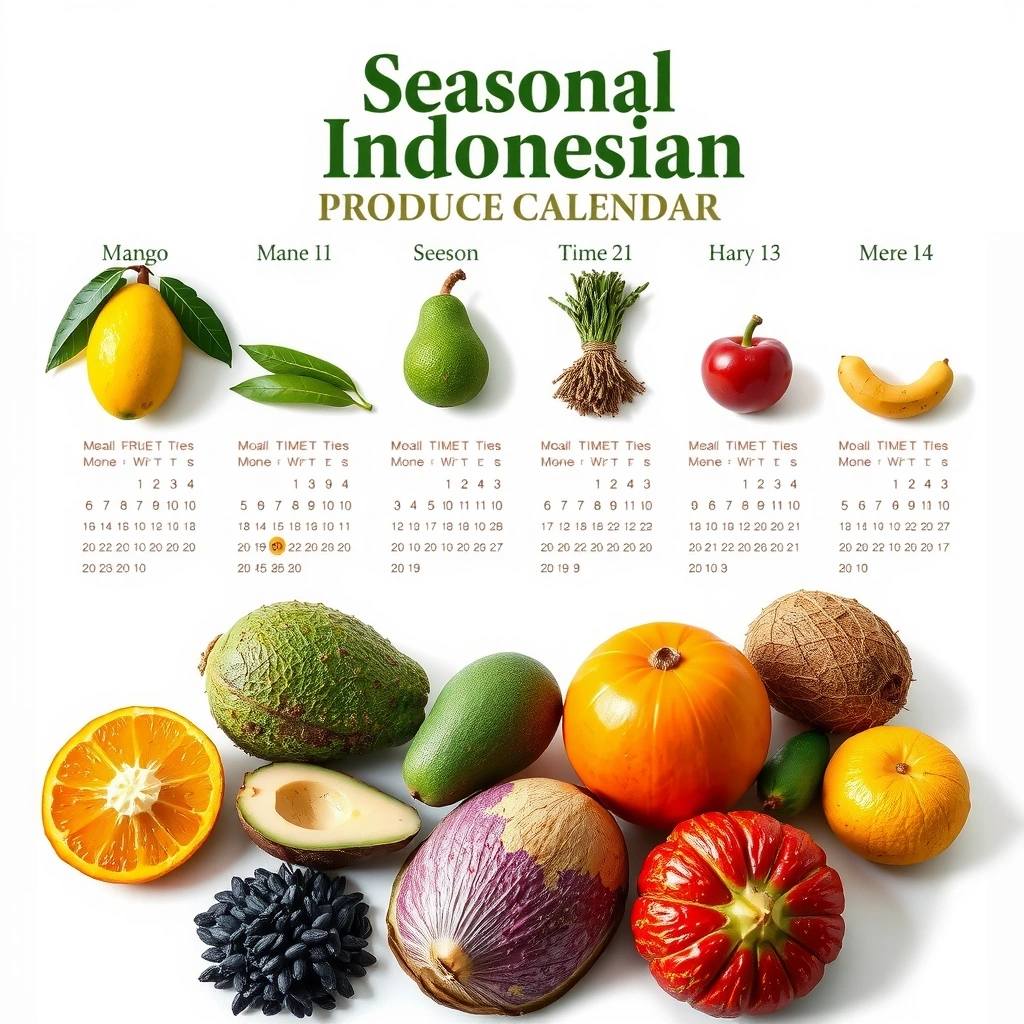
Understanding Indonesia's tropical seasons ensures you get the freshest produce at the best prices. Mango season (October-March) offers the sweetest fruits. Durian peaks during the rainy season (December-February). Coconut is available year-round, but prices drop during harvest periods. Plan your meals around seasonal abundance.
Quality Identification Techniques
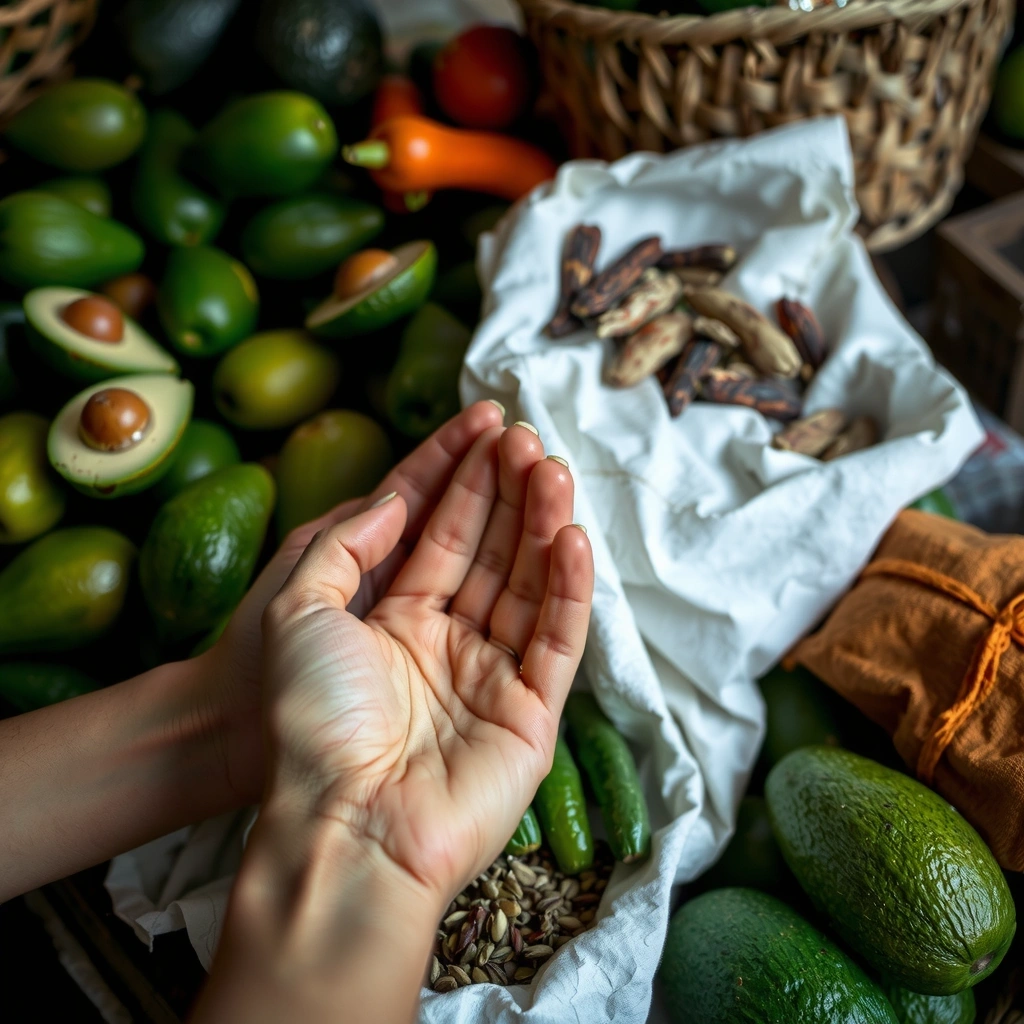
Learn to identify premium quality ingredients using traditional Indonesian methods. For vegetables, check for vibrant color and firm texture. Fresh herbs should release strong aromas when crushed. Meat should be bright red or pink, not gray or brown. Fish should have clear, bright eyes and firm, springy flesh.
Storage & Preservation Methods
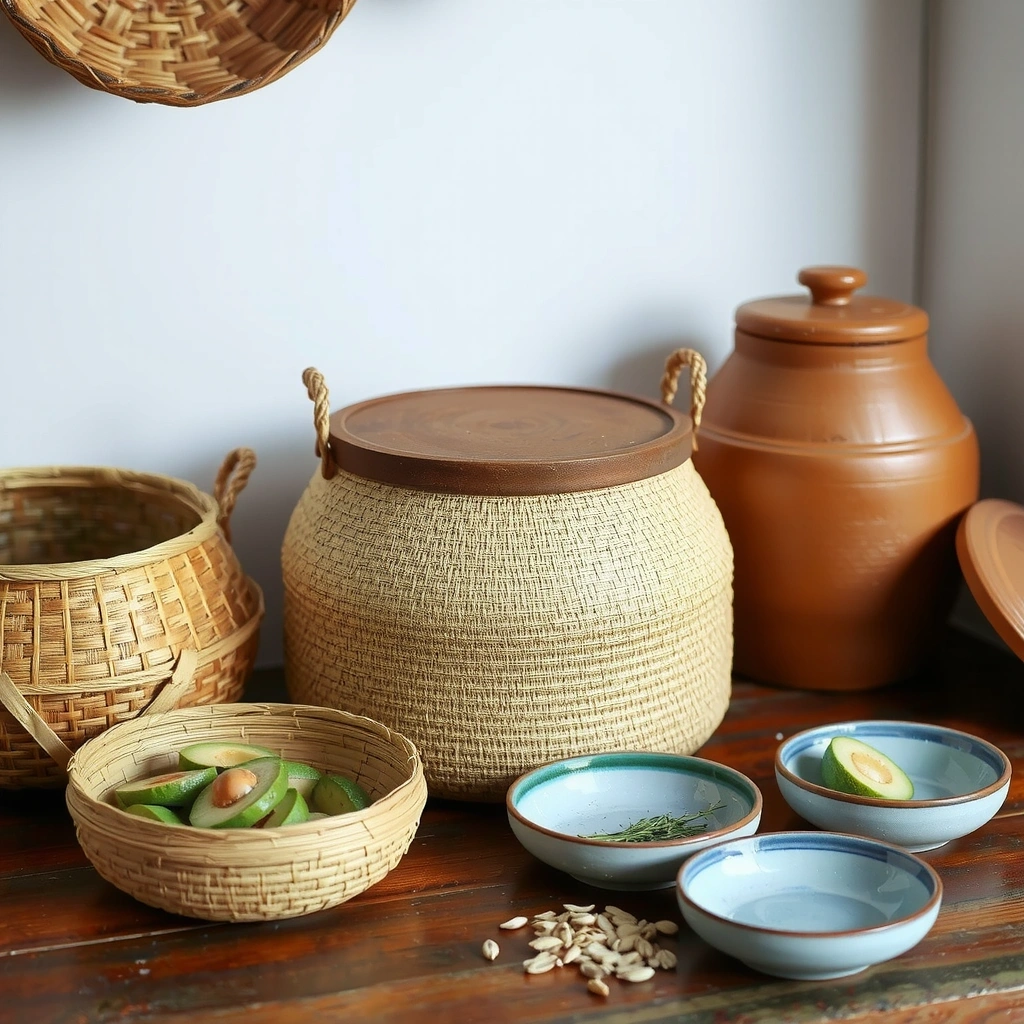
Preserve your market purchases using time-tested Indonesian methods. Store herbs in damp paper towels in the refrigerator. Use banana leaves to wrap vegetables for natural moisture retention. Tropical fruits continue ripening at room temperature. Learn to pickle vegetables using traditional tamarind and salt methods for extended freshness.
Best Shopping Times
Early morning (5-8 AM) for freshest selection. Late afternoon (4-6 PM) for discounted end-of-day prices.
Payment Methods
Cash preferred by most vendors. Small denominations helpful. Some markets accept digital payments now.
Language Tips
Learn basic Indonesian numbers for prices. "Berapa?" means "How much?" Be patient with language barriers.
Bring Your Own
Reusable bags reduce plastic waste. Small containers for bulk items. Wet wipes for cleanup.
Ready to Start Your Indonesian Paleo Journey?
Join our community of paleo enthusiasts discovering the rich culinary heritage of Indonesia. Get personalized guidance, seasonal recipes, and local market insights.